Hard water has long shaped how properties across North Texas operate. The Dallas–Fort Worth region is known for mineral-heavy water, rich in calcium and magnesium. While these minerals are not harmful to drink, they create challenges for plumbing systems, appliances, and daily operations. Whole House Water Softener Systems Dallas–Fort Worth solutions are designed to manage these challenges at the point where water enters the property, offering consistency and long-term performance rather than isolated fixes.
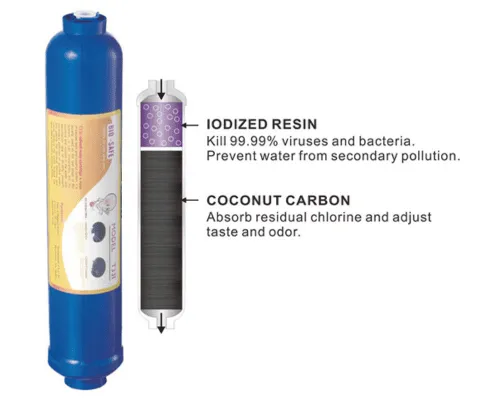
For professionals in construction, facility management, plumbing, and property maintenance, water quality plays a direct role in operational efficiency. For homeowners and technical enthusiasts, the interest often centers on comfort, protection of investments, and predictable system behavior. A properly configured whole-house softening setup meets both perspectives.
Regional Water Characteristics and Why They Matter
Water supplied throughout Dallas–Fort Worth passes through limestone-rich geology. This results in elevated hardness levels that vary slightly by municipality but remain consistently high across the region. Without intervention, minerals accumulate inside pipes, water heaters, boilers, valves, and fixtures.
The effects include:
- Reduced pipe diameter caused by scale buildup
- Lower heat transfer efficiency in water heaters
- Premature wear of seals, pumps, and control valves
- Increased energy usage in commercial and residential settings
Whole House Water Softener Systems Dallas–Fort Worth installations address these issues at the system level, preventing mineral deposits before they circulate.
How Whole-House Softening Works?
A whole-house system treats incoming water before it branches into hot and cold lines. The core process relies on ion exchange. Hardness minerals are captured by resin media and exchanged with sodium or potassium ions. The softened water then flows through the entire structure.
This approach differs from point-of-use devices in several key ways:
- All fixtures receive consistent water quality
- Internal plumbing remains protected
- Maintenance planning becomes predictable
- Equipment lifespan increases
For larger properties and professional environments, centralized treatment simplifies oversight and reduces downstream failures.
Components Found in Whole House Water Softener Systems Dallas–Fort Worth
A typical system includes several integrated elements, each contributing to stable operation:
- Mineral Tank: Holds the resin media responsible for ion exchange
- Control Valve: Manages flow, regeneration cycles, and system logic
- Brine Tank: Stores salt or potassium used during regeneration
- Bypass Assembly: Allows water flow during service or maintenance
- Pre-Filtration (optional): Captures sediment common in municipal supplies
In Dallas–Fort Worth, sediment filtration often plays a supporting role due to aging infrastructure and seasonal flow changes.
Installation Considerations Unique to North Texas
Local conditions influence how systems are selected and installed. Climate, soil composition, and municipal pressure levels all factor into planning.
Key points professionals evaluate include:
- Peak water demand during the summer months
- Placement to avoid temperature extremes
- Drain access for regeneration discharge
- Compliance with regional plumbing codes
Whole House Water Softener Systems Dallas–Fort Worth must be sized not only for current demand but also for future expansion, renovations, or changes in occupancy.
Residential Benefits Beyond Scale Control
Softened water changes daily routines in subtle but meaningful ways. Soap behaves differently, fabrics respond better to washing, and surfaces remain cleaner for longer periods.
Homeowners often notice:
- Reduced soap and detergent usage
- Smoother hair and skin after bathing
- Fewer water spots on glass and fixtures
- Longer intervals between appliance servicing
These improvements stem from the removal of hardness minerals rather than additives or coatings.
Commercial and Light Industrial Advantages
In professional settings, water quality directly affects uptime and operating costs. Restaurants, healthcare facilities, multi-family housing, and light manufacturing all rely on stable water performance.
Whole House Water Softener Systems Dallas–Fort Worth offer measurable advantages such as:
- Improved boiler and chiller efficiency
- Lower maintenance labor costs
- Fewer emergency plumbing interventions
- Consistent process water quality
Facilities managers often integrate softening systems into broader water management strategies to align with preventive maintenance schedules.
System Sizing and Capacity Planning
Oversizing leads to unnecessary salt usage, while undersizing shortens resin life and increases regeneration frequency. Accurate sizing requires analysis of:
- Water hardness levels
- Daily water consumption
- Peak flow requirements
- Number of occupants or operational loads
In Dallas–Fort Worth, hardness testing often reveals levels that demand higher-capacity resin beds, especially for multi-story or high-usage properties.
Regeneration Cycles and Operational Efficiency
Regeneration restores resin capacity by flushing accumulated minerals. Modern control valves allow systems to regenerate based on actual water usage rather than fixed schedules.
Advantages of demand-based regeneration include:
- Reduced water waste
- Lower salt consumption
- Consistent output quality
- Extended resin lifespan
Whole House Water Softener Systems Dallas–Fort Worth, configured with these controls, align well with sustainability goals and cost containment strategies.
Salt-Based vs. Alternative Softening Approaches
While ion exchange remains the standard, other technologies exist. Each approach suits different priorities.
Salt-Based Systems
- Proven hardness removal
- Suitable for high mineral levels
- Predictable performance
Salt-Free Conditioning Systems
- Do not remove minerals
- Alter the crystal structure to reduce adhesion
- Lower maintenance but different results
Given the mineral profile common in Dallas–Fort Worth, traditional softening systems remain the preferred option for full-scale hardness management.
Maintenance Practices That Protect Performance
Routine attention keeps systems functioning as intended. Maintenance does not require constant oversight but benefits from consistency.
Recommended practices include:
- Monitoring salt levels
- Inspecting brine tanks for bridging
- Periodic resin cleaning
- Annual system inspection
Professionals often integrate these tasks into existing service schedules to minimize disruption.
Plumbing Compatibility and Material Protection
Hard water scale affects copper, PEX, galvanized steel, and even modern composite materials. Over time, deposits create turbulence and pressure loss.
Whole House Water Softener Systems Dallas–Fort Worth installations reduce internal friction and protect:
- Tankless water heaters
- Mixing valves and manifolds
- Circulation pumps
- Automated fixtures
This protection becomes increasingly valuable as systems grow more complex and electronically controlled.
Water Heating Efficiency Gains
Scale acts as insulation on heating elements. Even thin mineral layers reduce heat transfer, forcing systems to work harder.
Softened water supports:
- Faster recovery times
- Lower fuel or electricity usage
- Stable outlet temperatures
- Reduced component stress
For properties with high hot-water demand, these gains translate into noticeable operational savings.
Environmental and Resource Considerations
Modern systems are designed with efficiency in mind. Advances in resin technology and control logic have reduced water and salt usage compared to older models.
Responsible operation includes:
- Proper system sizing
- High-efficiency regeneration settings
- Use of clean, appropriate salt media
Whole House Water Softener Systems Dallas–Fort Worth can operate within regional conservation expectations when configured correctly.
Integration With Filtration and Treatment Systems
Softening often pairs with other water treatment components. Each stage addresses a specific concern.
Common combinations include:
- Sediment filtration for particulate removal
- Carbon filtration for taste and odor control
- UV treatment for microbial management
This layered approach delivers water quality tailored to both comfort and technical requirements.
Longevity and Return on Investment
While initial installation requires planning, long-term returns come from reduced repairs, extended equipment life, and predictable performance.
Over time, properties benefit from:
- Lower appliance replacement rates
- Fewer plumbing failures
- Improved occupant satisfaction
- Stable operating budgets
Whole House Water Softener Systems Dallas–Fort Worth serve as infrastructure investments rather than convenience upgrades.
Signs a Property Benefits From Softening
Many indicators point toward the need for centralized treatment:
- Chalky residue on fixtures
- Frequent water heater service
- Inconsistent soap performance
- Rising energy costs without usage changes
Addressing these symptoms at the source prevents recurring issues.
Professional Insight and Planning
Industry professionals recognize that water quality underpins system reliability. From design stages through occupancy, water treatment influences outcomes.
Whole House Water Softener Systems Dallas–Fort Worth support:
- Predictable system behavior
- Simplified maintenance planning
- Enhanced asset protection
These systems align well with both residential comfort goals and commercial performance standards.
Conclusion
Water enters every structure with the same force, yet its impact depends on how it is managed. In Dallas–Fort Worth, mineral content shapes that impact in measurable ways. Whole House Water Softener Systems Dallas–Fort Worth provide a practical, system-wide response that protects infrastructure, improves efficiency, and supports consistent performance across a wide range of applications.
Rather than reacting to scale-related issues after they appear, centralized softening creates a stable foundation for plumbing systems, equipment, and daily use. For those who value reliability and long-term efficiency, few upgrades influence as many aspects of a property as effective water softening.